
Season: Mid-February to Early March (Dry Season) Focus: Dinka, Mundari, Toposa, Boya (Larim), Lopit, and Lotuko.
In South Sudan, February is the peak dry season (great for road travel and photography), while March begins the transition to the “heat furnace” (can reach 45°C) before the rains start in April.
South Sudan Cultural Expedition: 2026–2028 Edition
Season: Mid-February to Early March (Dry Season)
Focus: Dinka, Mundari, Toposa, Boya (Larim), Lopit, and Lotuko.
Day 1 | Arrival in Juba & Departure to Bor
-
Morning: Arrive at Juba International Airport. Meet your guide for a briefing and complete Alien Registration (compulsory within 3 days).
-
Afternoon: Drive to Bor, the heart of Dinka territory.
-
Evening: Set up camp. Interact with the Dinka people—the world’s tallest ethnic group. Witness the traditional grinding of sorghum and photograph the massive Luaks (cattle sheds).
-
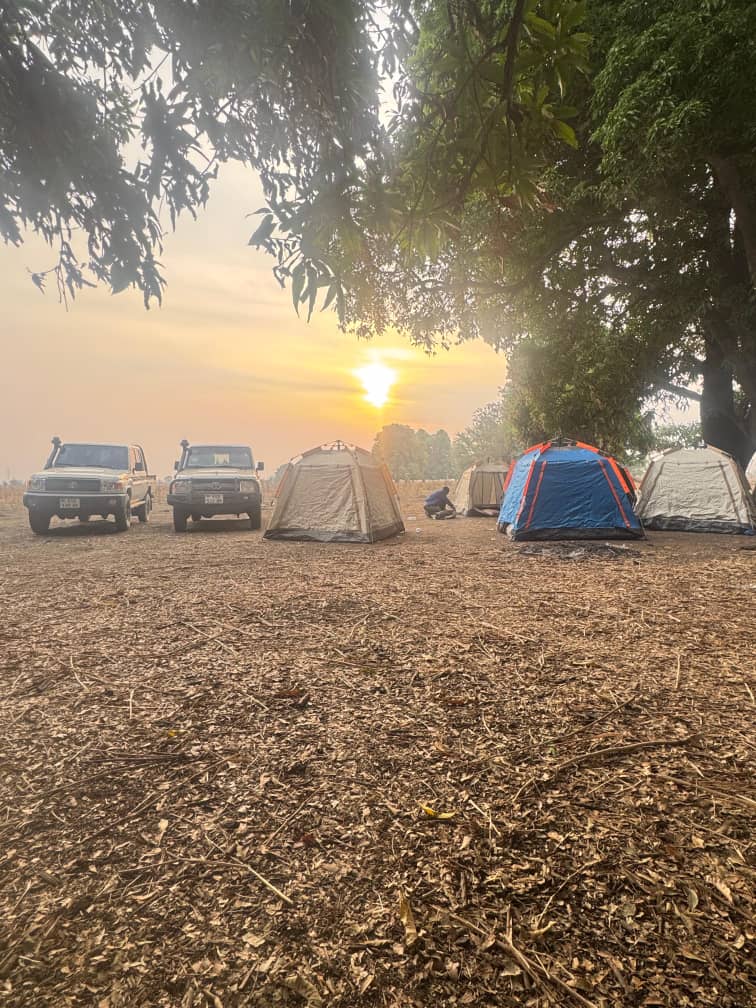
Stay: Camping (Tents).
Day 2 | Sudd Wetland & The Mundari Transition
-
05:30: Boat cruise on the Sudd Wetland. This is one of the world’s largest freshwater ecosystems. Expect to see diverse birdlife, Nile crocodiles, and local fishermen.
-
Mid-day: Visit the Bor local market, then drive to the Mundari cattle camps.
-
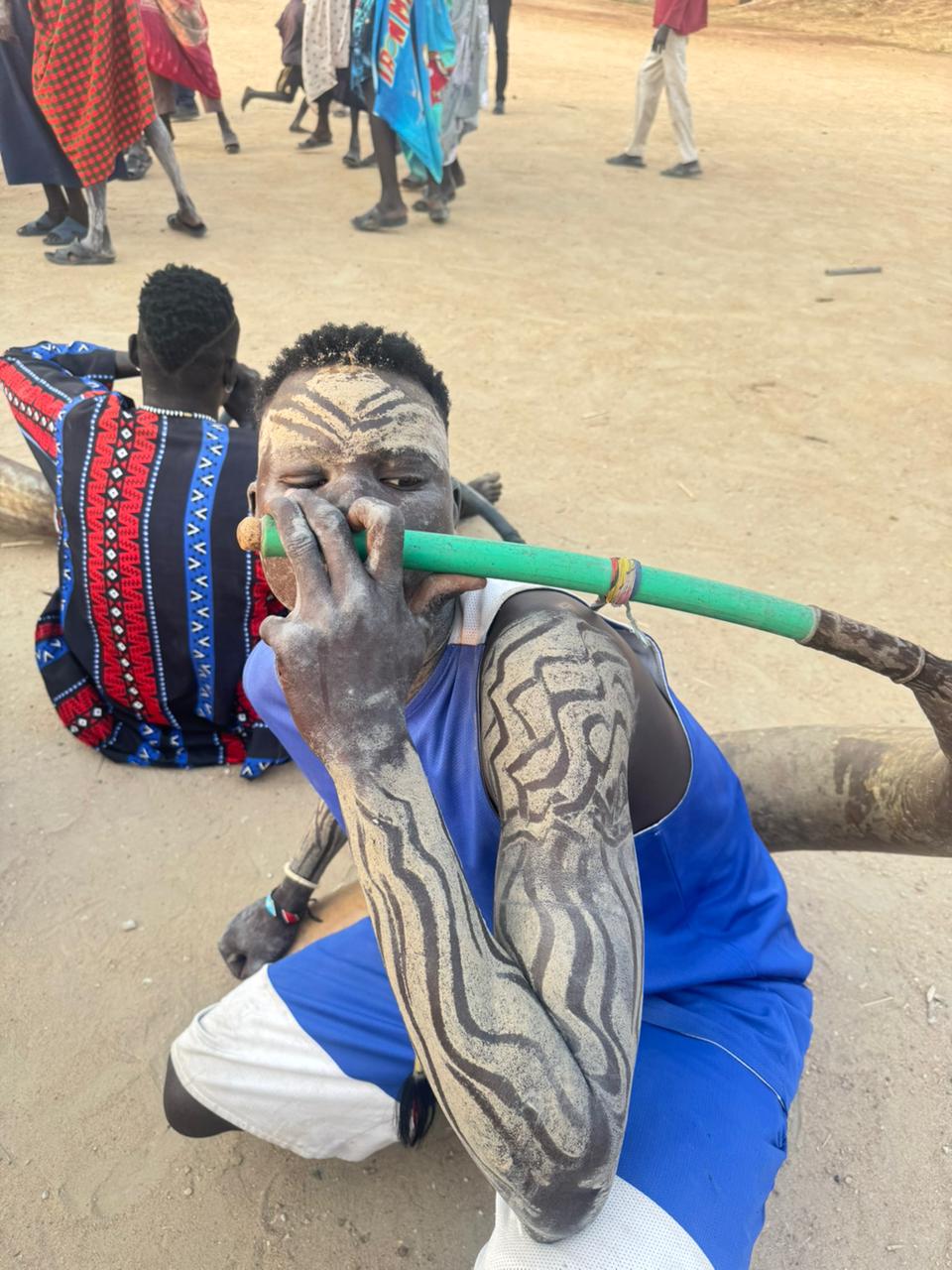
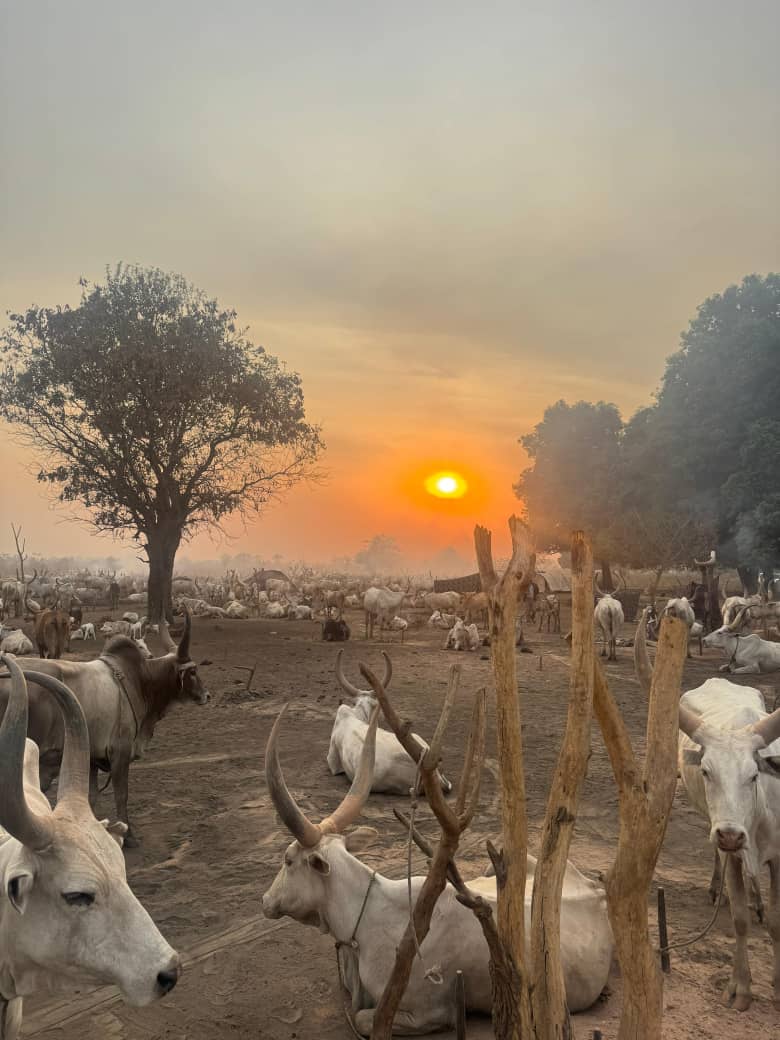
Evening: Arrive at the Mundari camp. Observe the “ashing” rituals—where children and adults smear themselves and their cattle with white ash to ward off insects.
-
Stay: Camping (Tents).
Day 3 | The Mundari Sunrise & Nyikabur Village
-
05:00: The “Golden Hour.” Capture the Mundari as they wake up among thousands of Ankole-Watusi cattle. Observe the morning rituals: blowing horns, massaging the cows, and the use of cow urine as a natural antiseptic.
-
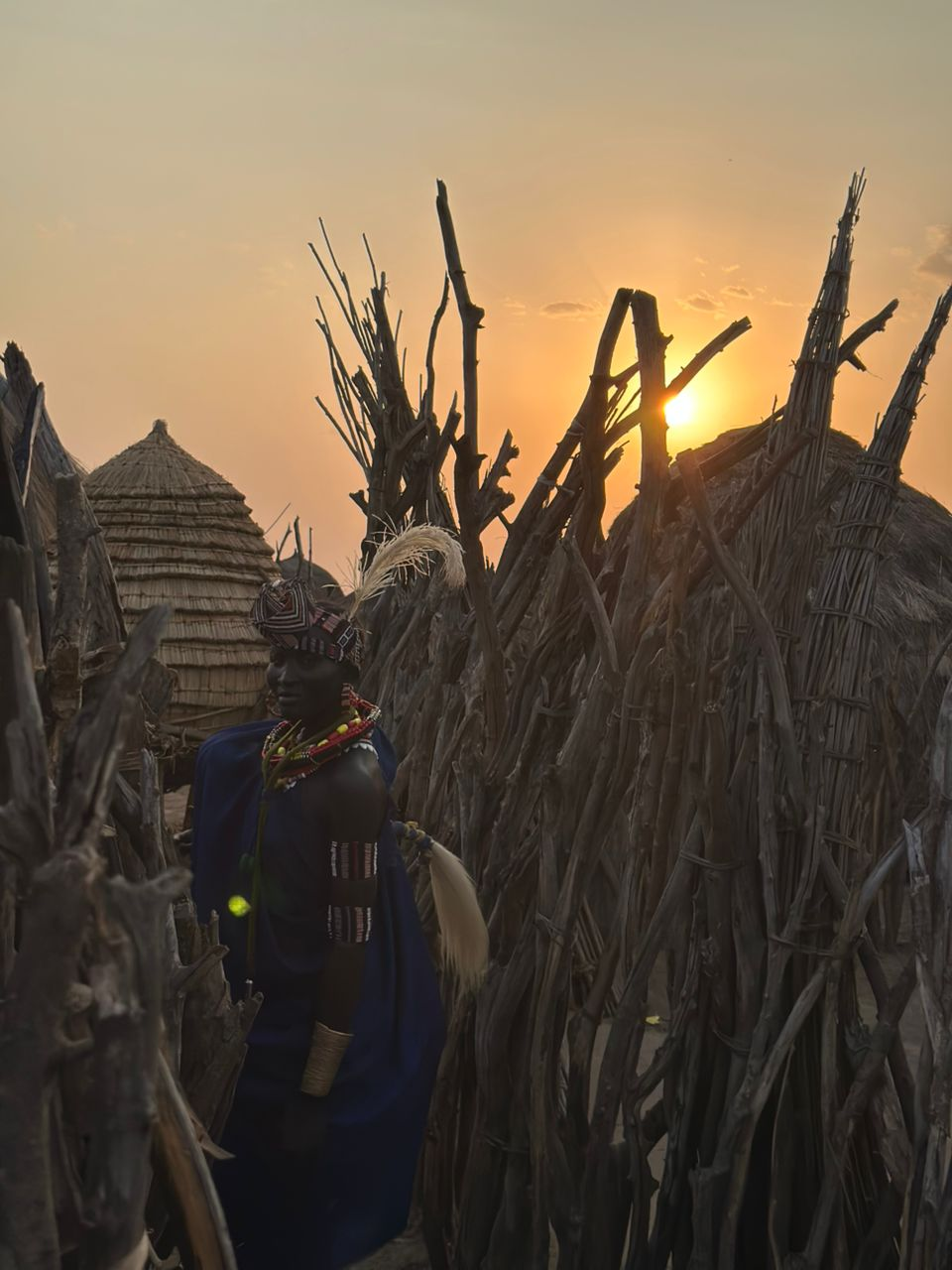
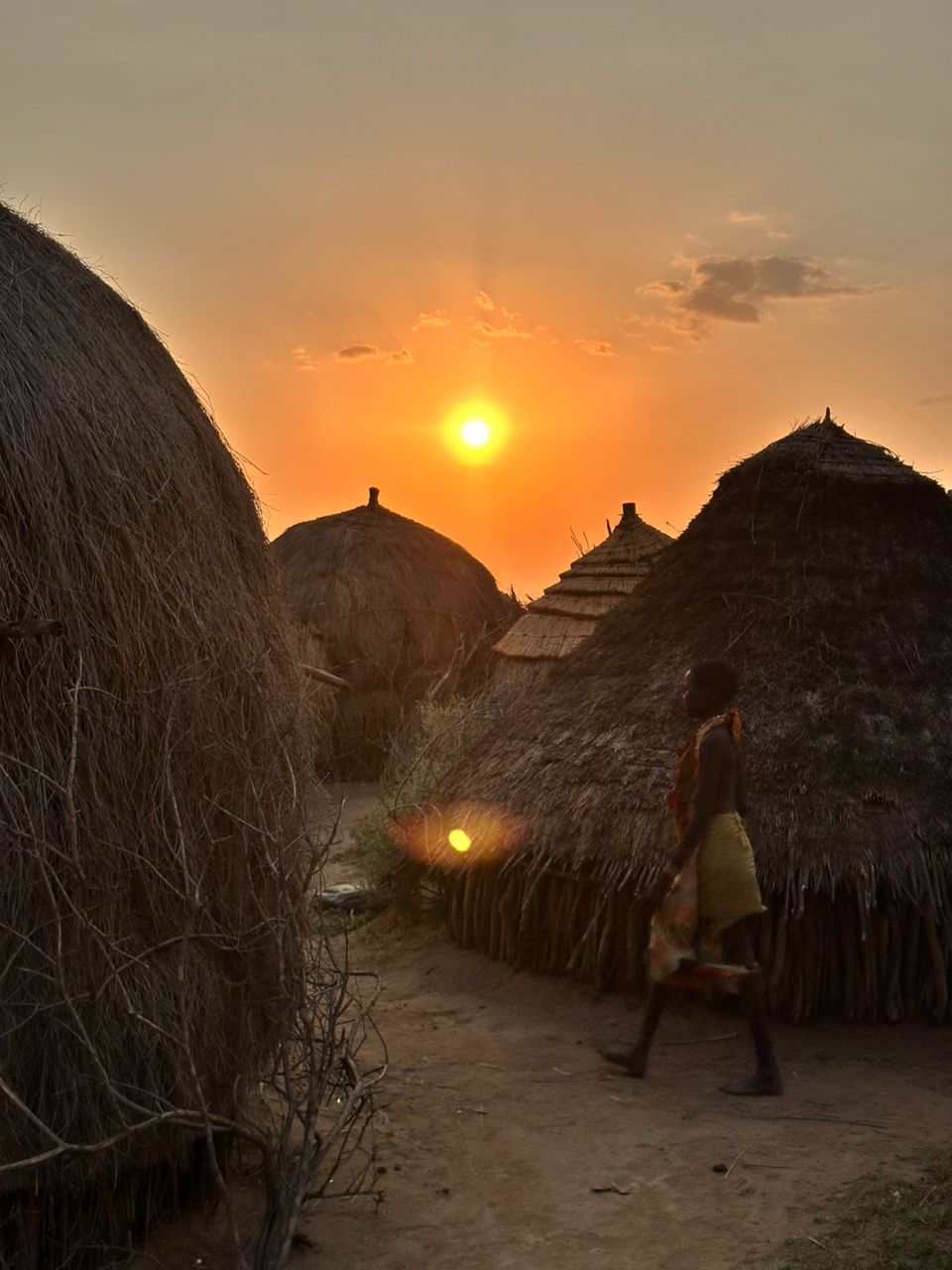
Afternoon: Visit Nyikabur Village to see unique local architecture and traditional village life.
-
Stay: Camping (Tents).
Day 4 | Return to Juba
-
Morning: Final photos with the Mundari. Pack camp and drive back to Juba.
-
Afternoon: Relax at the hotel while the logistical team sends the vehicles ahead toward Kapoeta.
-
Stay: Hotel (Juba).
Day 5 | Flight to Kapoeta & Toposa Tribe
-
Morning: Domestic flight to Kapoeta.
-
Afternoon: Meet your local team and drive to a Toposa village.
-
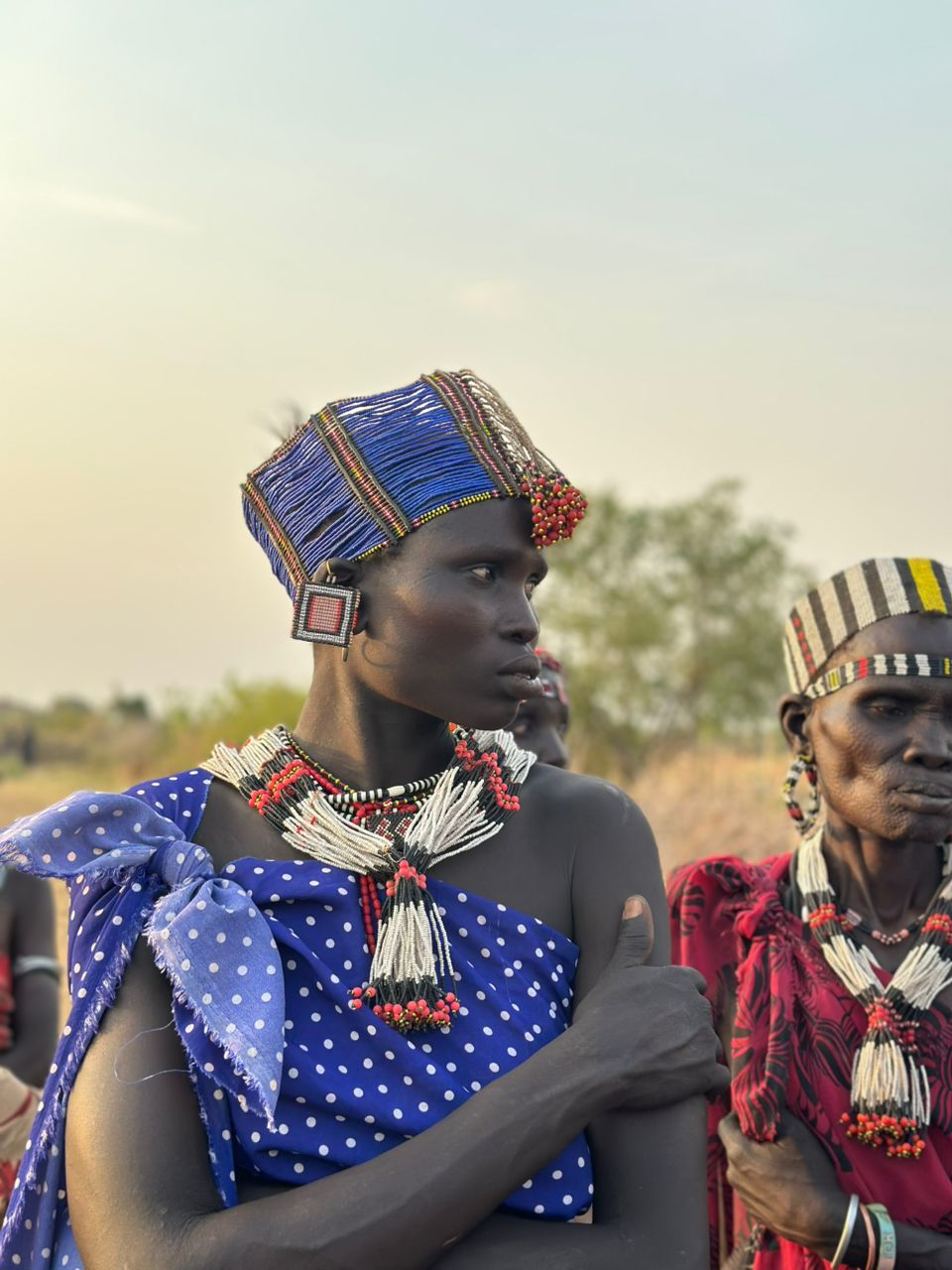
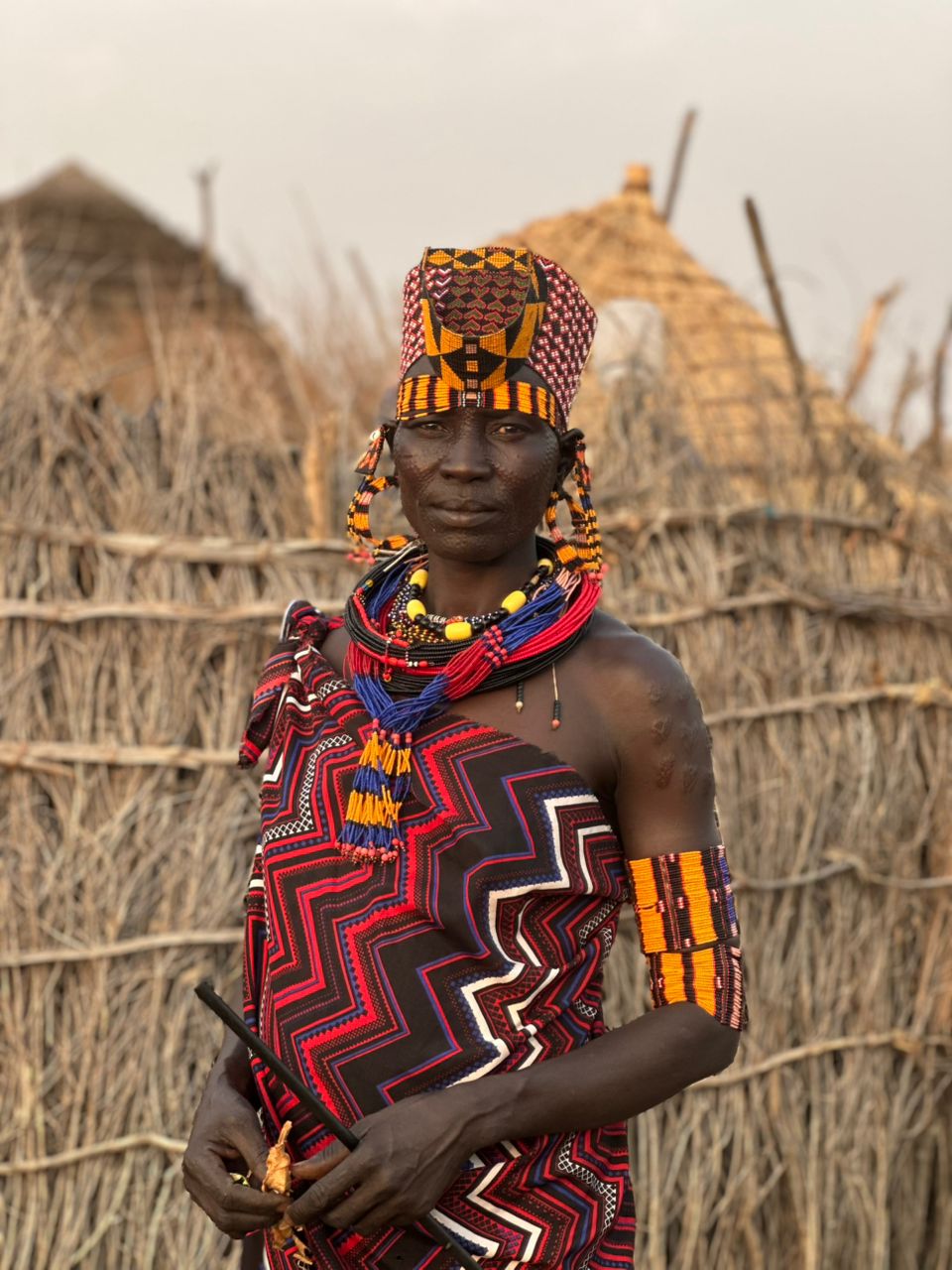
Evening: The Toposa are famous for their intricate beadwork and body scarification. Spend the evening learning about their warrior culture and photographing their elaborate manyattas (huts).
-
Stay: Camping (Tents).
Day 6 | Toposa Dance & The Boya (Larim) Hills
-
Morning: Join a Toposa traditional dance. This is a high-energy event with singing and rhythmic movement.
-
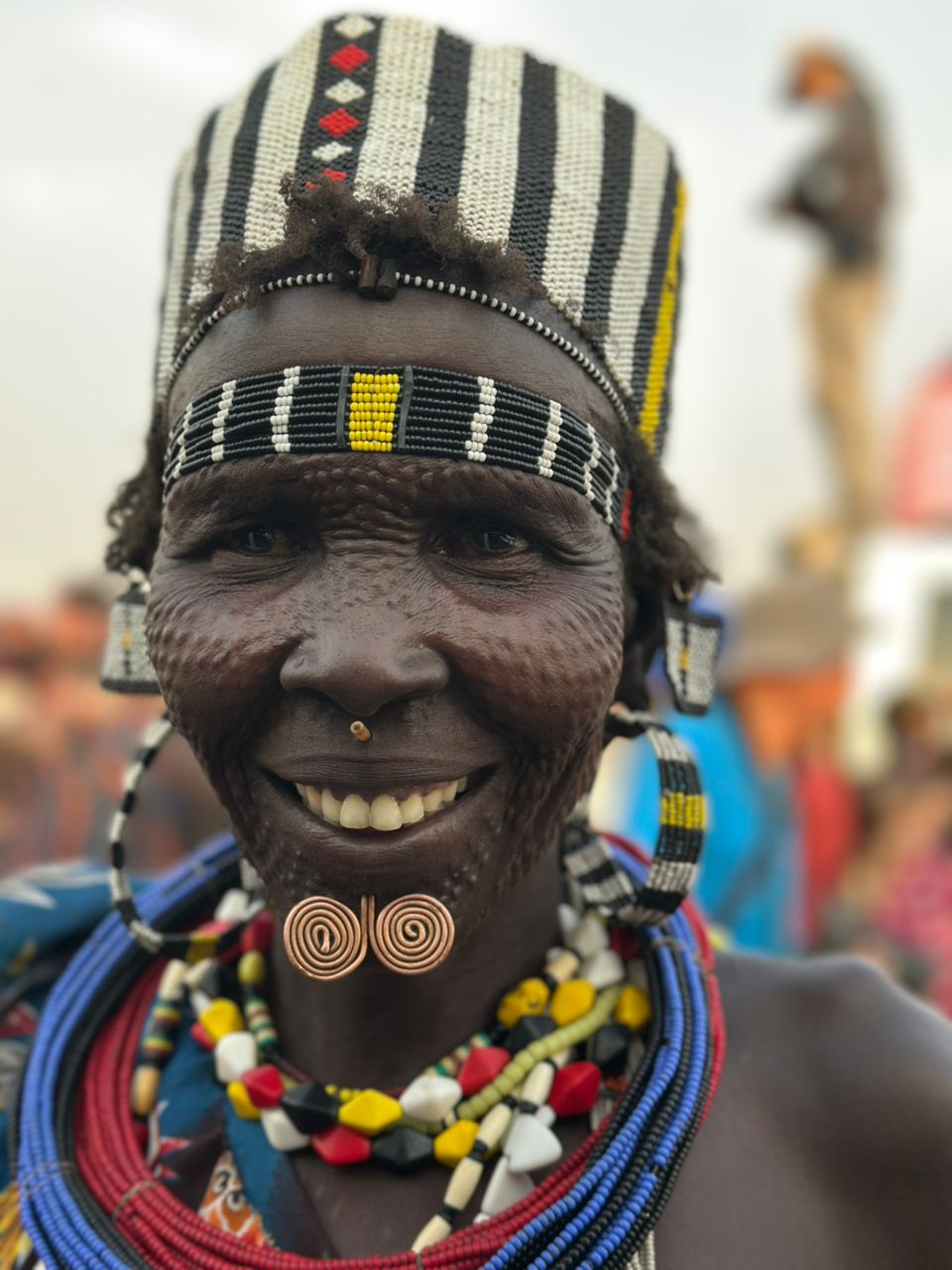
Afternoon: Drive to the Boya (Larim) tribe, who live at the foot of the Kimatong Hills. The Larim are known for being master craftsmen and for their unique facial scarification.
-
Stay: Camping (Tents).
Day 7 | Larim Morning & Journey to Lopit
-
Morning: Walk through Larim villages at sunrise. Interact with the women as they perform traditional tasks.
-
Afternoon: A 5-hour drive through the rugged Eastern Equatoria landscape to reach the Lopit tribe.
-
Stay: Camping (Tents).
Day 8 | Lopit Youth & The Lotuko Kingdoms
-
Morning: Experience a Lopit traditional dance. The Lopit are known for their vibrant youth culture and distinct architectural styles.
-
Afternoon: Drive to the Lotuko tribe. Unlike other tribes, the Lotuko build their homes on rocky hillsides.
-
Evening: Visit a Lotuko Queen or King in their palace and learn about their mountain-dwelling history.
-
Stay: Camping (Tents).
Day 9 | Lotuko Celebrations & Juba Return
-
Morning: Join the Lotuko women for a final celebratory dance.
-
Afternoon: Begin the journey back to Juba.
-
Stay: Guest House/Hotel (Accommodation at guest’s expense).
Day 10 | Juba City Tour & Departure
-
Morning: Visit Konyo Konyo, the busiest market in the country. Visit the All Saints Cathedral and the Nile Bridge.
-
Afternoon: Transfer to the airport for your flight home.
Included: Tribe fees, chef (Johnson), guides, 4×4 vehicle/fuel, travel permits, boat cruise, and 1 night in Juba.
Excluded: Visa ($120), Alien Registration ($65), last night accommodation, and tips.


